

The cheapest way to cube a string
We want to develop the cheapest printer possible. Nothing beats a pen: it warms a string, and that string is cubed by a human and, interestingly, potentially a robot.
Most companies start with an expensive prototype. We started with a very cheap pen, because we want to go the other way around: what is the cheapest way to reliably cube a string?
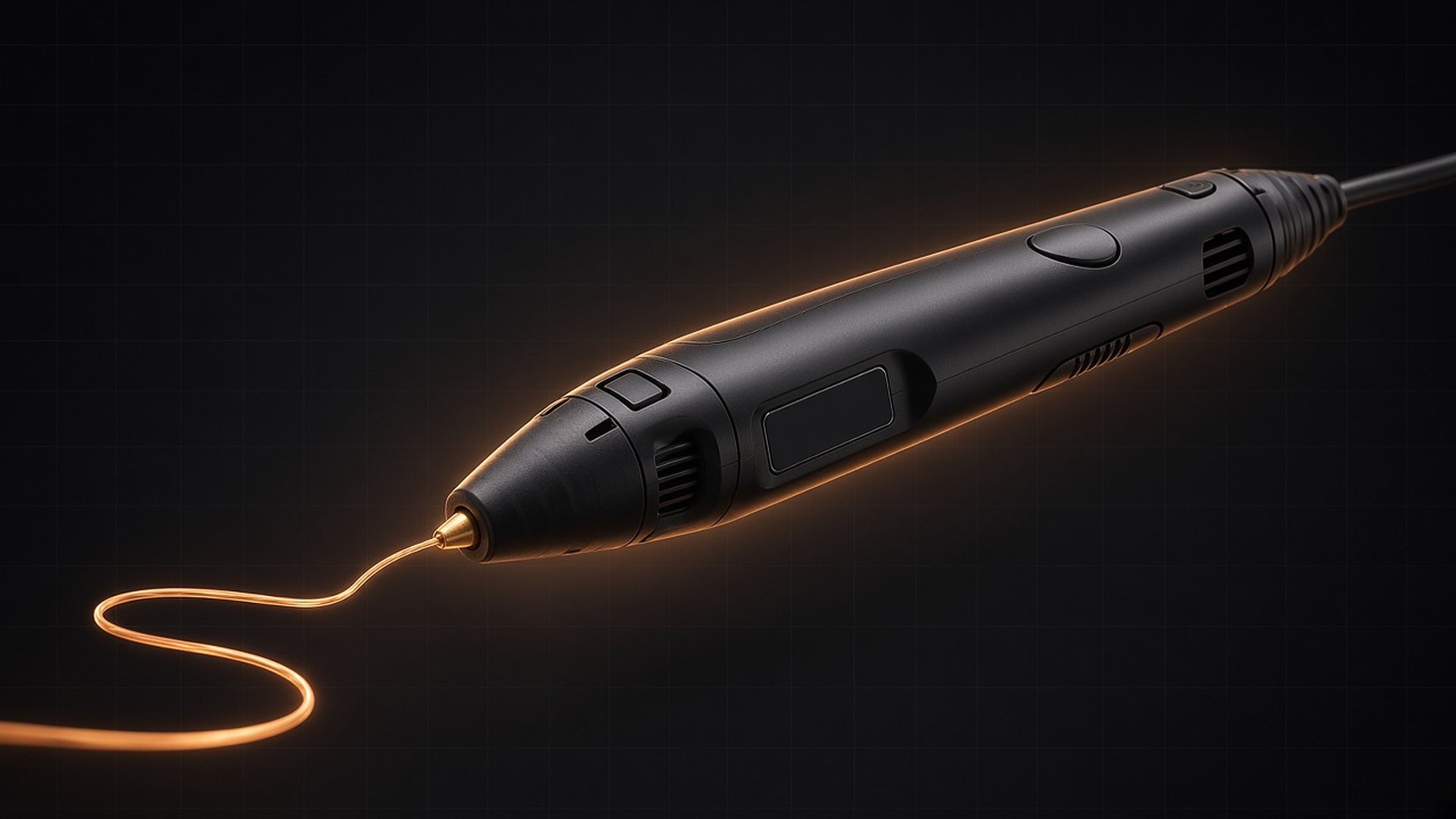
Why a pen
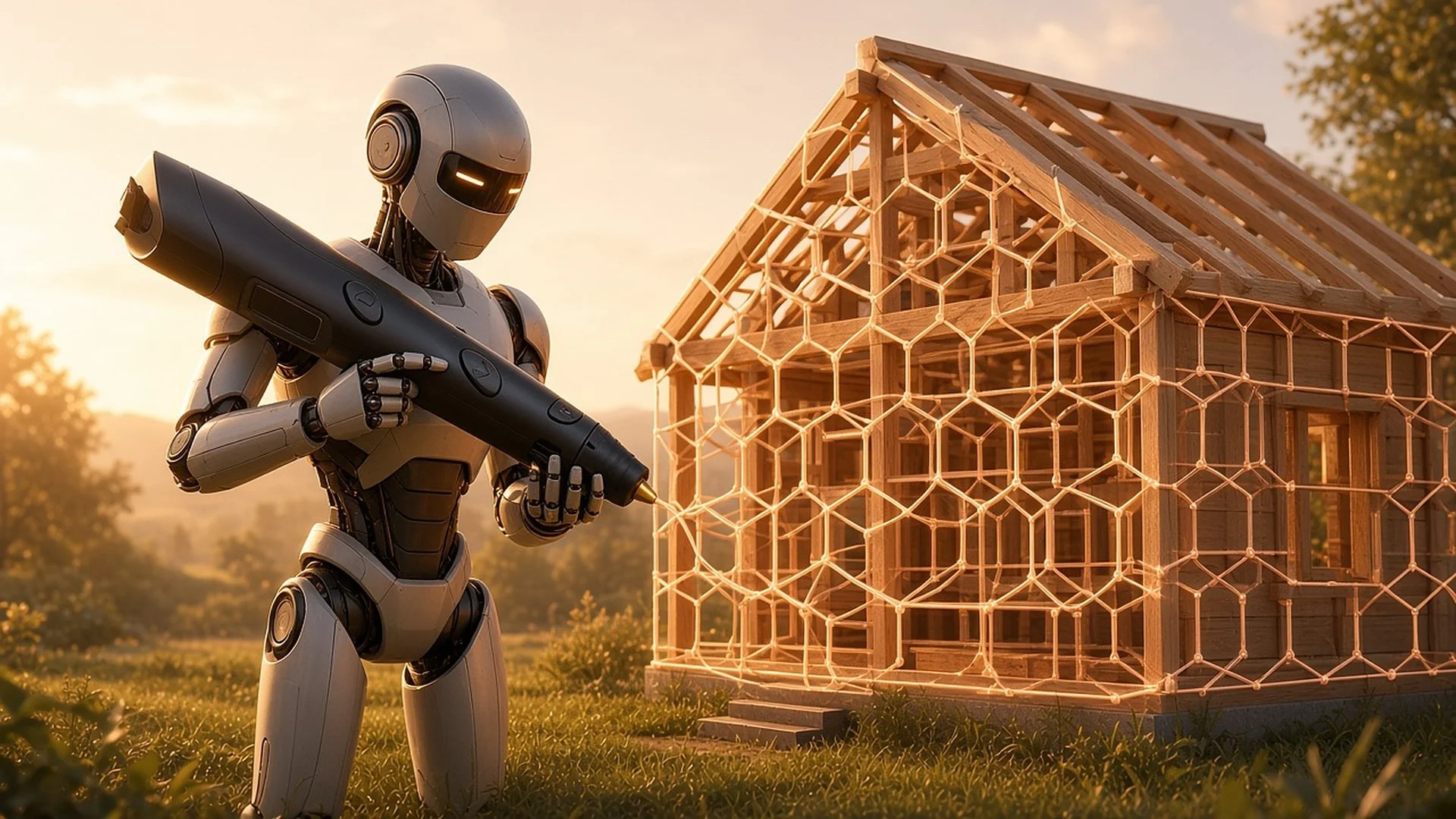
A 3D printer can only print parts as big as its printing volume. A pen has no printing volume. With a human, or a robot, and a pen, we can make almost any object at 1:1 scale.
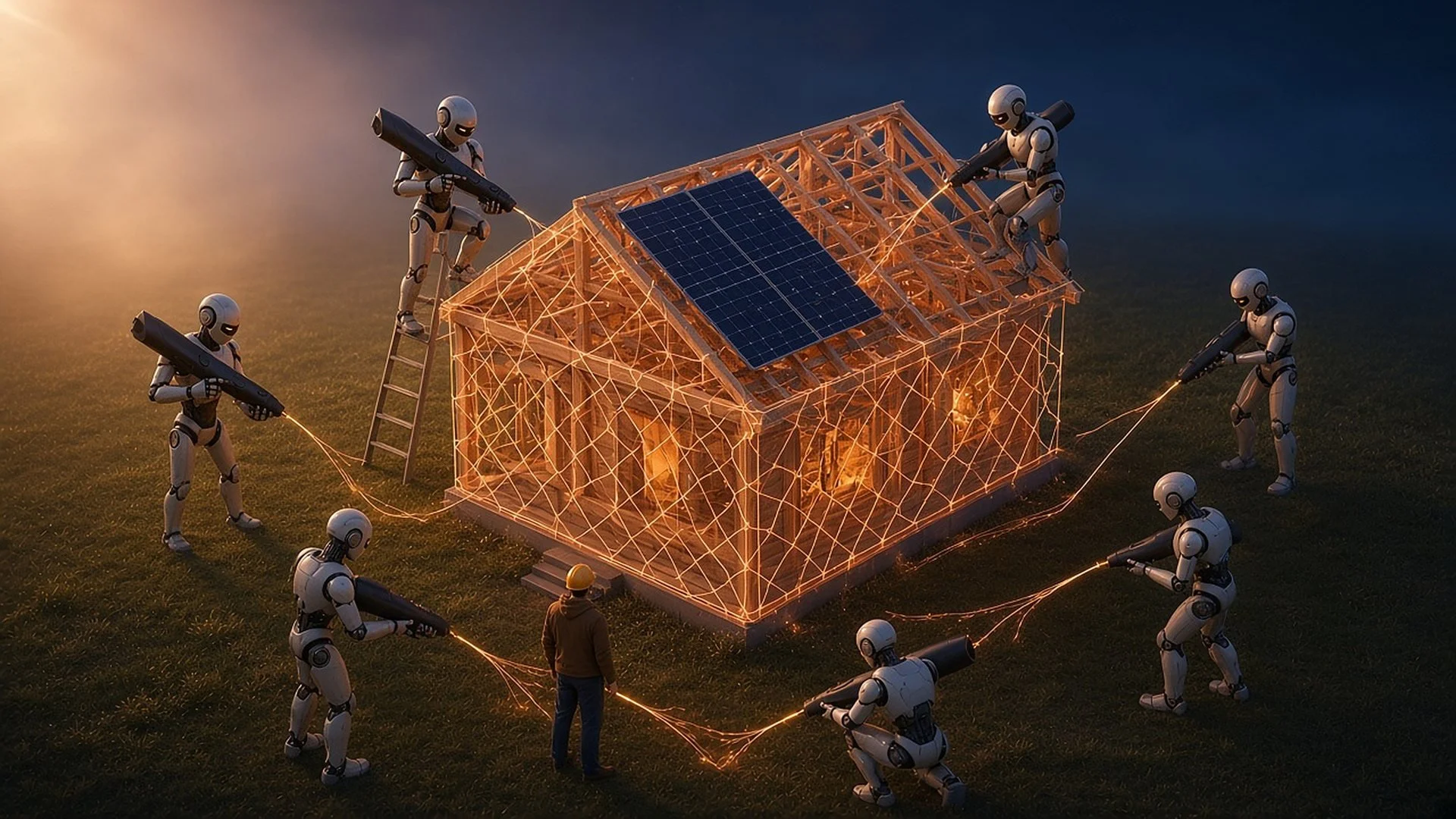
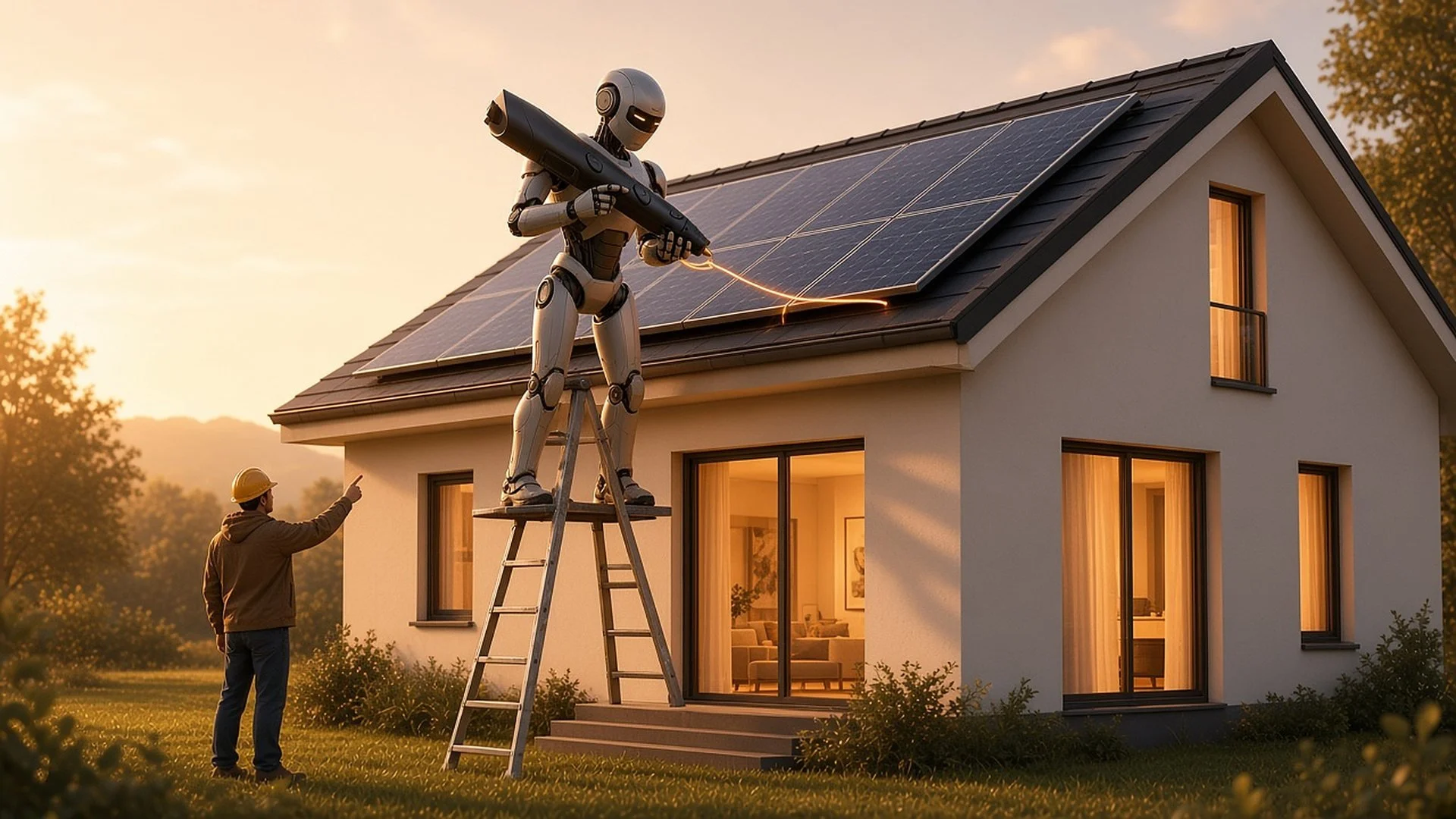
In theory that includes houses with solar roofs, and everything in between. The only limit is how long the work takes.
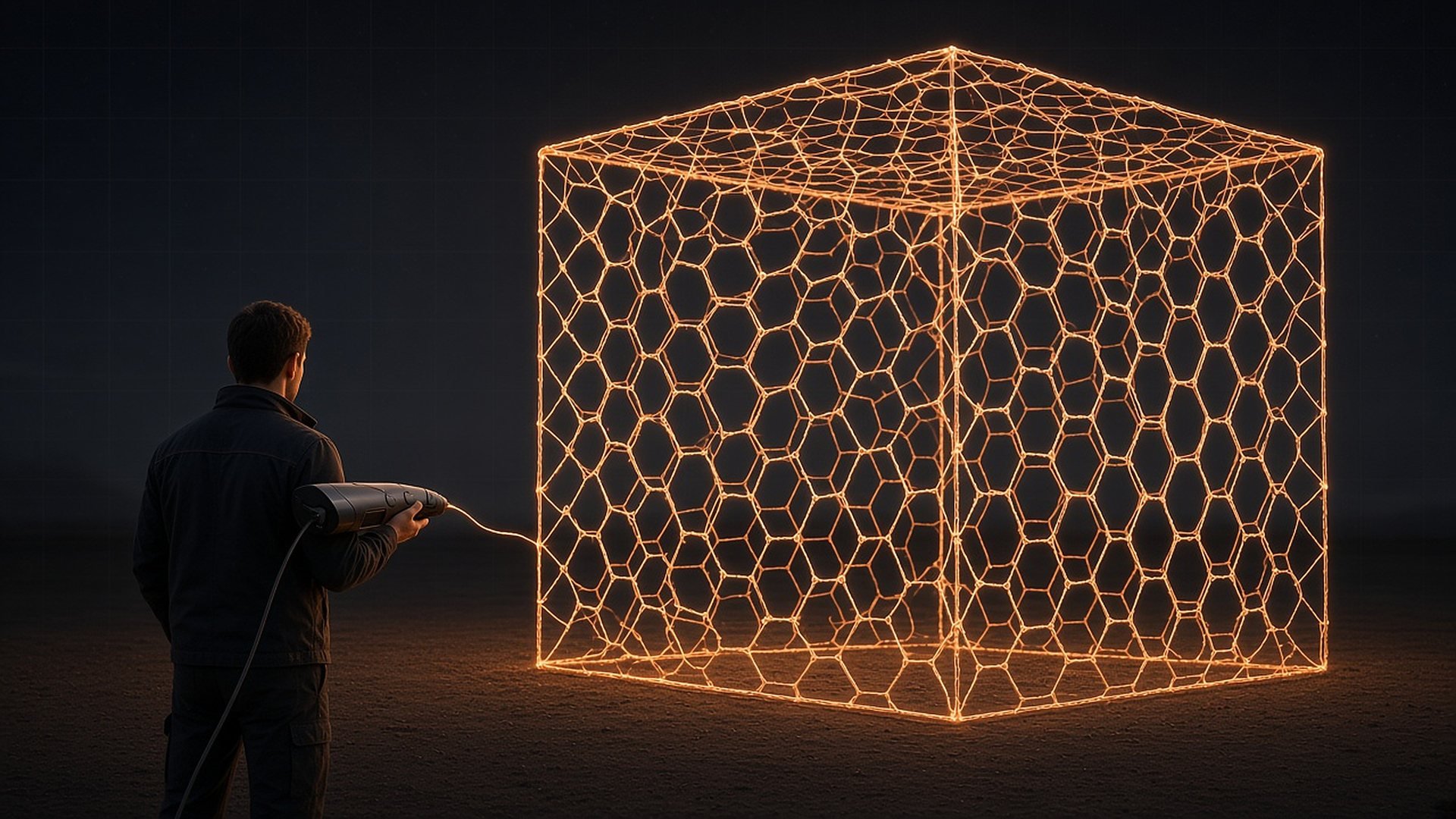
Even house printers have a frame
The build volume is the largest object a printer can make in one print. Printers that build houses are large, and they still have edges.
Start cheap, then improve
Most new manufacturing technologies begin with an expensive, highly engineered machine and gradually become more affordable as production scales. With the pen we went the opposite way: build the simplest, lowest-cost device we can, put it in people's hands, learn from it, and improve from there.
The goal is bigger than the pen itself. The machine should not become the gatekeeper to experimenting with functional materials.
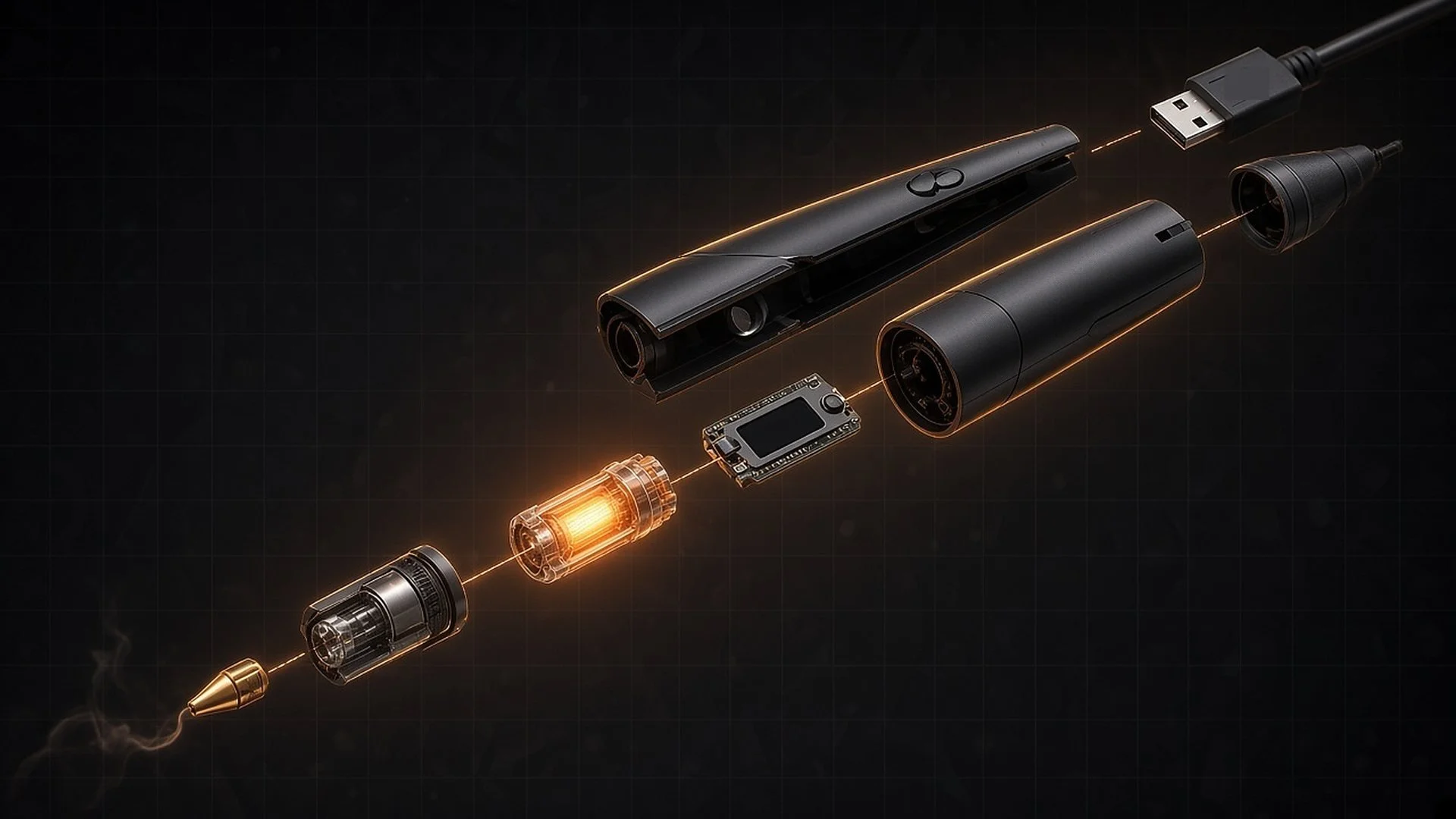
This pen is not just any pen
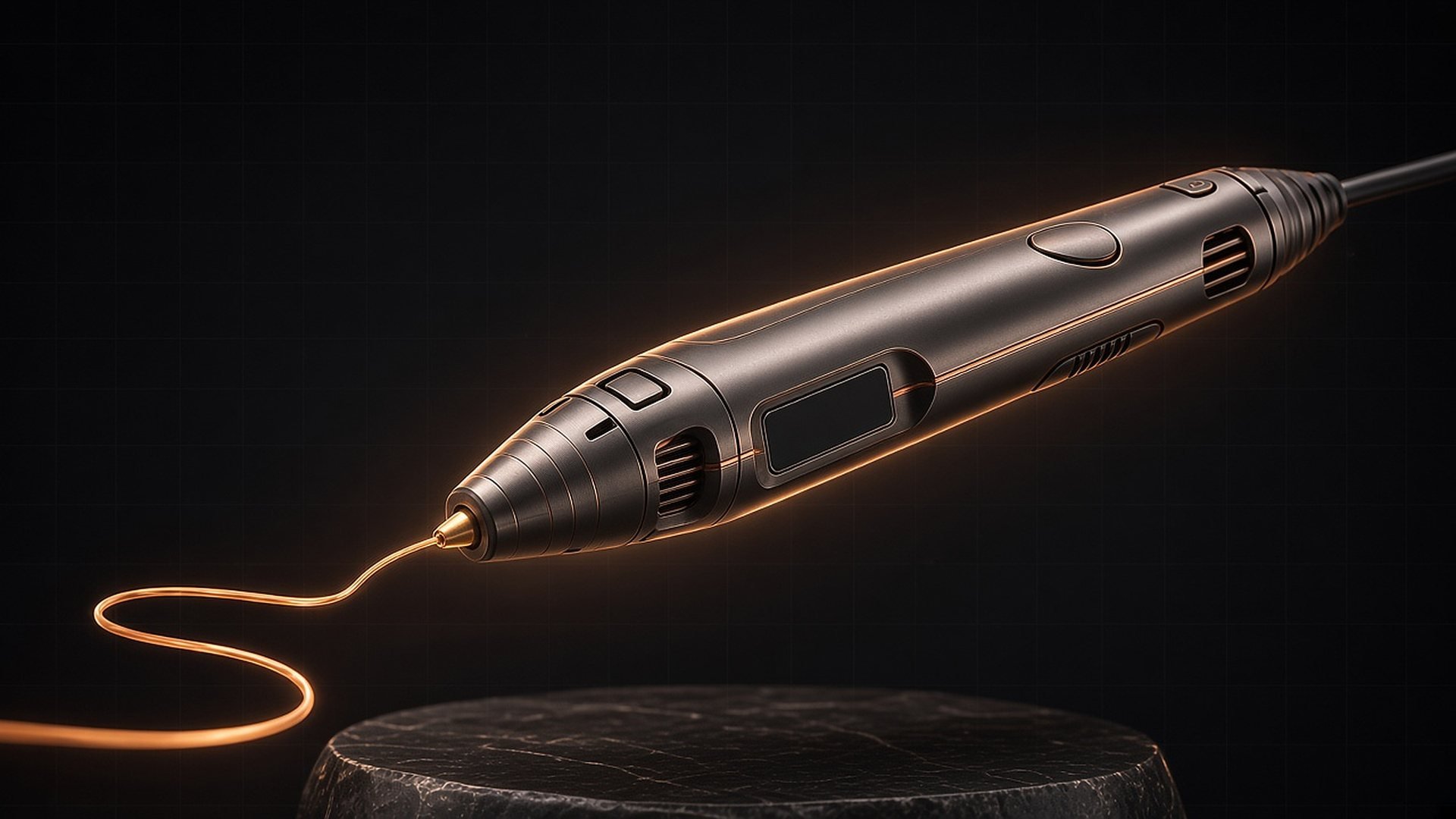
It looks like a conventional 3D-printing pen, but its extrusion system is built around the unusual behavior of Timeplast materials. Timeplast contains a high proportion of water. During extrusion that water is not just something to remove: its controlled release is part of how the material is processed.
So the pen pairs a larger 0.8 mm nozzle with an adiabatic pressure chamber. The wider flow path and the chamber keep the pressure needed to move the material while giving the water vapor room to escape. That escaping vapor takes heat with it, which cools the deposited material quickly and limits the heat seen by the functional ingredients inside the filament. A String Cubed patent application covering our vapor cooling process is pending.
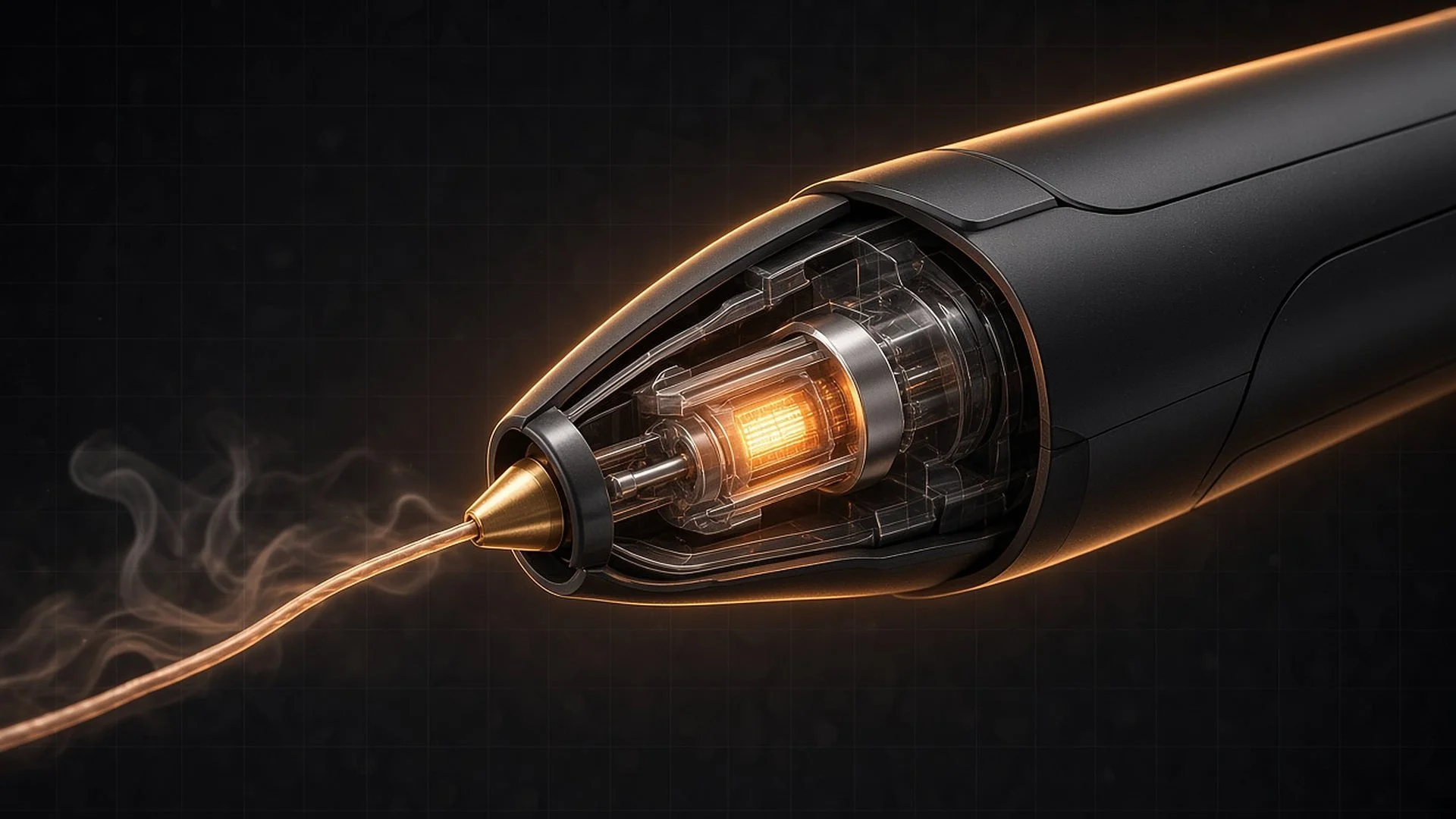
- Pressure
- Extrusion
- Vapor release
- Rapid cooling
- Functional material deposition
- Nozzle
- 0.8 mm
- Chamber
- Adiabatic pressure chamber
- Operating temperature
- 210 to 220 degrees C
- Power
- DC 5 V / 2 A over USB
- Controls
- Adjustable extrusion speed, load and unload
- Made for
- Timeplast filaments
The tradeoff
The larger nozzle costs resolution. This first-generation pen is designed for functional deposition, not for fine-detail printing. It is experimental, it takes practice, and the filament needs to be properly dried before use.
Then the robots come
Once robots arrive on building sites, they will need tools. Some tools are already made for robots: tool changers that let an arm swap its hand in seconds, end effectors for gripping, gluing and welding, and extruder heads that robot arms carry to print large parts.
A pen is a tool a robot can hold, just as a person does. It needs no gantry and no print volume, only a hand and a plan.
Robot tools that exist today
ATI robot tool changer
A two-part coupling that locks together automatically and passes air, signals and water, so one robot can swap between grippers, welders and deburring tools.
SourceOnRobot Quick Changer
A lightweight tool changer for collaborative robots that swaps end-of-arm tools in under 5 seconds.
SourceNordson Auto-Flo valves
Dispense valves that mount on a robot arm to lay down uniform beads of adhesives and sealants.
SourceFronius cobot welding
Ready-made cells in which a collaborative robot arm carries the welding torch.
SourceCaracol Heron AM
A large-format printing platform that puts a pellet extruder on an industrial robot arm; the print volume can be extended by putting the robot on a rail.
SourceCEAD Flexbot
A robot arm fitted with an extruder so the arm works as a large-format 3D printer.
SourceBoston Dynamics Atlas
A humanoid made to operate within the same workstations, using the same equipment, as the people who work there.
Source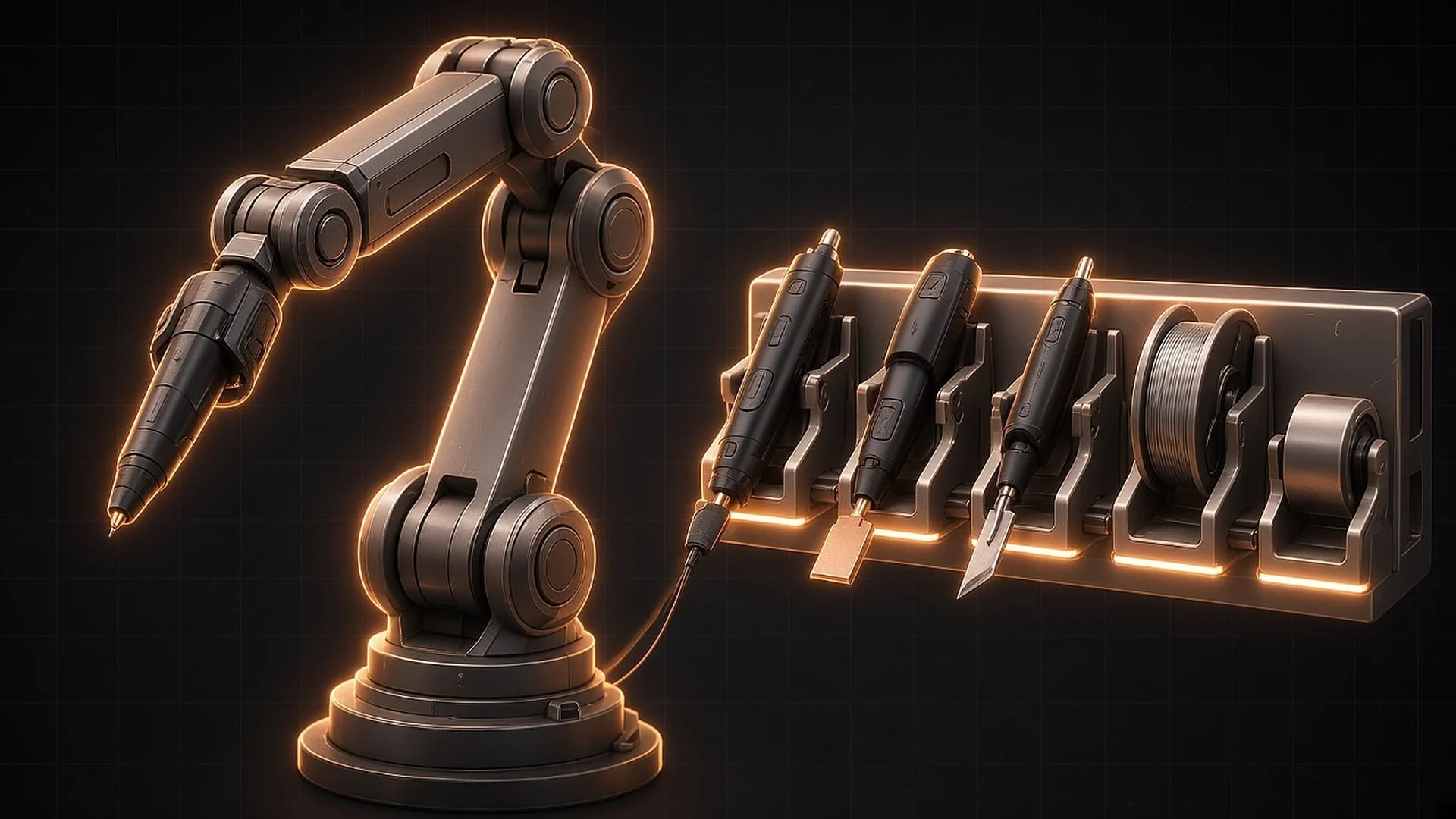
Images on this page of robots building houses are concept art, not a product.
The Ultimate Pen
We are also developing a new pen: the ultimate pen. The idea is a pen that is nearly indestructible, a tool that can last generations of work, so that we can reliably use it to slowly build our larger scale projects.
We overestimate what we can build in one week, but severely underestimate what we can build in one year.
Try the first-generation pen
You can buy it now at Timeplast.com.
Buy it at Timeplast.comImages are illustrations generated to show the idea; they are not engineering drawings. Images of robots building houses are concepts, not products.